

Vega-C inaugural launch: mission highlights
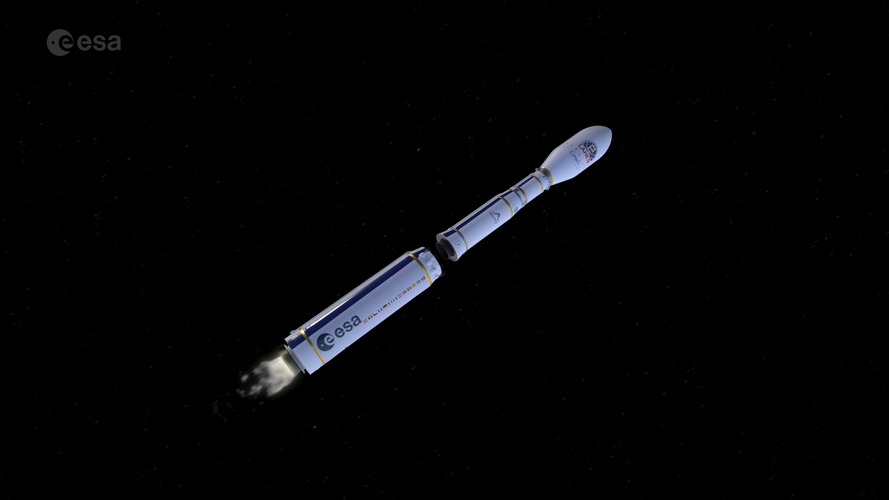 Video:
00:01:21
Video:
00:01:21
Animated preview of flight VV21 illustrates gantry rollout and liftoff from Europe’s Spaceport in French Guiana, stage and fairing separations, and deployment of the Italian Space Agency’s LARES-2 scientific payload and six research CubeSats. Vega-C represents a dramatic capability boost compared to its predecessor, Vega, which has flown since 2012. With new first and second stages and an uprated fourth stage, Vega-C increases performance from Vega’s 1.5 t to about 2.2 t in a reference 700 km polar orbit and handles larger payloads.
Jupiter’s moon Europa to obscure distant star
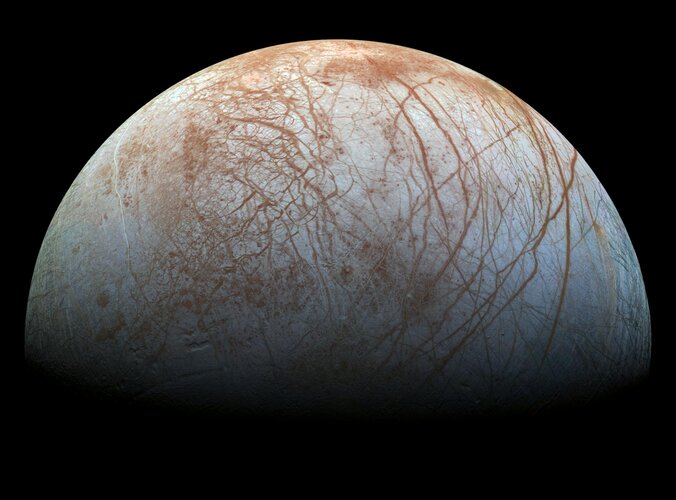
On 19 June 2022, Jupiter’s intriguing moon Europa will pass in front of a distant star, making that star appear to disappear for at least a minute. This event will be easy to see with any size of telescope from certain parts of Africa.
Op-ed | FAA Overregulation Threatens America’s Future in Commercial Space
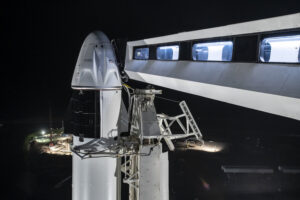
The FAA's culture of prescriptive rules and obsession with passenger safety at all costs is antithetical to the Office of Commercial Space Transporation's congressionally mandated role of encouraging, facilitating, and supporting a nascent U.S. commercial spaceflight industry.
South Korea cancels Apophis probe
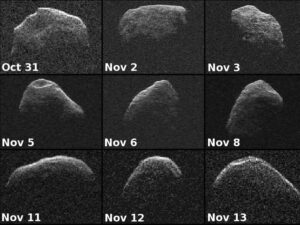
Citing a “lack of technical capabilities,” South Korea has dropped the plan of developing a robotic spacecraft to escort asteroid Apophis during its 2029 close encounter with Earth.
The post South Korea cancels Apophis probe appeared first on SpaceNews.
Redwire to produce tactical communications antennas for military satellites
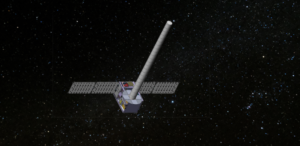
Redwire announced June 7 it won a contract to produce 42 tactical communications antennas for U.S. military satellites in low Earth orbit.
The post Redwire to produce tactical communications antennas for military satellites appeared first on SpaceNews.
Xona to test GPS-alternative demo satellite with customer
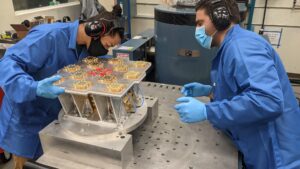
Startup Xona Space Systems is preparing to demonstrate services from a test satellite to the first major customer for its planned navigation constellation.
The post Xona to test GPS-alternative demo satellite with customer appeared first on SpaceNews.
Redwire, MDA, to produce tactical communications antennas for military satellites
Redwire announced June 7 it won a contract to produce 42 tactical communications antennas for U.S. military satellites in low Earth orbit.
The post Redwire, MDA, to produce tactical communications antennas for military satellites appeared first on SpaceNews.
NASA's Europa Clipper Mission completes main body of the spacecraft
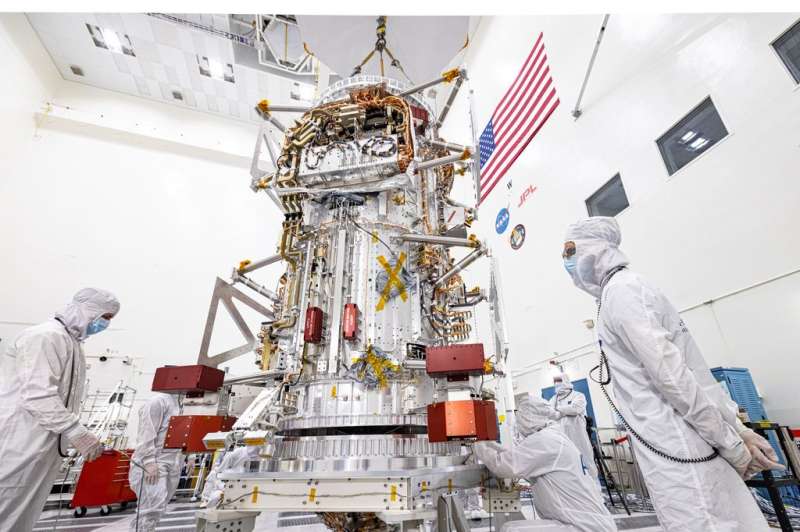
The main body of NASA's Europa Clipper spacecraft has been delivered to the agency's Jet Propulsion Laboratory in Southern California. Over the next two years there, engineers and technicians will finish assembling the craft by hand before testing it to make sure it can withstand the journey to Jupiter's icy moon Europa.
The spacecraft body is the mission's workhorse.
French astronaut Pesquet calls for European space independence

French astronaut Thomas Pesquet on Tuesday urged Europe to seize the momentum created by its newfound diplomatic unity and "start moving now" to develop its own human spaceflight capacity.
The charismatic engineer and pilot, 44, recently completed his second deployment to the International Space Station on the NASA-SpaceX Crew-2 mission, and has arguably the highest profile among the European Astronaut Corps, in addition to being a celebrity in his native France.
Though he has long extolled international cooperation in space and remains in the mix to possibly go to the Moon as part of the NASA-led Artemis missions, Pesquet said it was vital for Europe's leaders to give the European Space Agency (ESA) the funding and mandate it needs to launch its own people, too.
NASA Artemis I moon rocket rolls back to Kennedy Space Center launch pad
NASA has sent the Artemis I rocket back to the launch pad at Kennedy Space Center for testing later this month, looking to get back on track for a potential moon launch as early as August.
The 5.75 million-pound, 322-foot-tall combination of the Space Launch System, Orion capsule and mobile launcher left the Vehicle Assembly Building at Kennedy Space Center early Monday to make the 4.4-mile slow crawl to Launch Pad 39-B.
The rocket still needs to run through a complete wet dress rehearsal during which NASA will fill and drain the core and upper stage with 730,000 gallons of super-cooled liquid hydrogen and liquid oxygen while also simulating a countdown but without lighting the engines.
It first rolled out to the launch pad back in March, but several issues scrubbed three test run attempts forcing the rocket back to the VAB, but now mission managers hope their headaches are behind them.
"I think we've got a pretty good plan in place. We'll see how it turns out as we get into our next attempt, but I certainly think we've learned a lot and figured out a lot of specific things and how you want to do this dance," said Tom Whitmeyer, NASA's deputy associate administrator for common exploration systems development.


