
Taking climate monitoring into the future with quantum
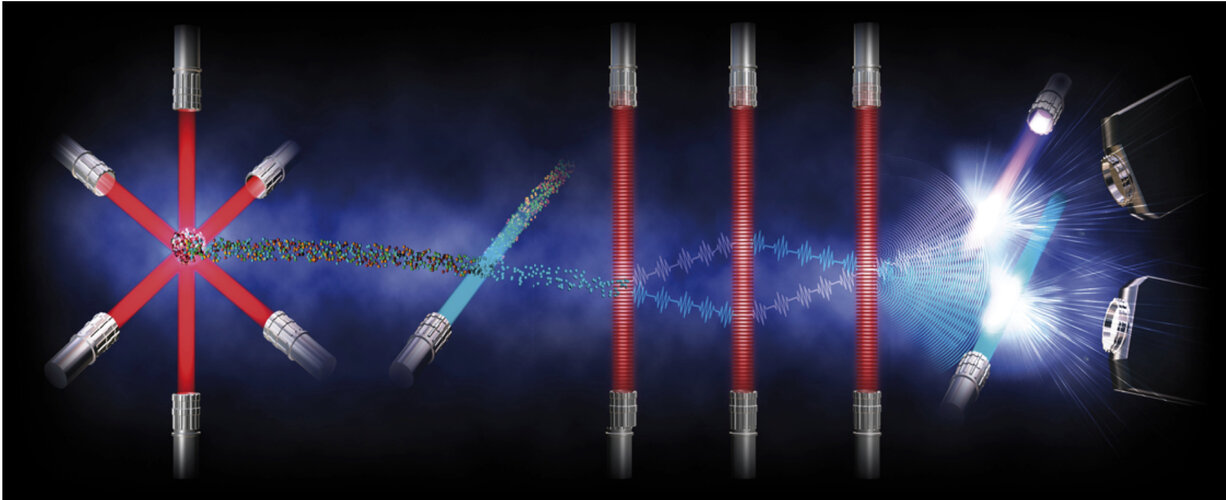
Over the last decades, satellites measuring the many aspects of Earth have certainly demonstrated their worth with the information they yield to understand and monitor our environment and, importantly, to provide undeniable evidence of climate change for policymaking. While Europe is currently firmly placed as a world leader in Earth observation, it’s critical to stay ahead of the game by examining how even more sophisticated space technologies can be developed to return even more precise information in the future. Today, at ESA’s Living Planet Symposium, being held in Bonn, scientists dug deep into the potential of spaceborne quantum
What the Voyager space probes can teach humanity about immortality and legacy
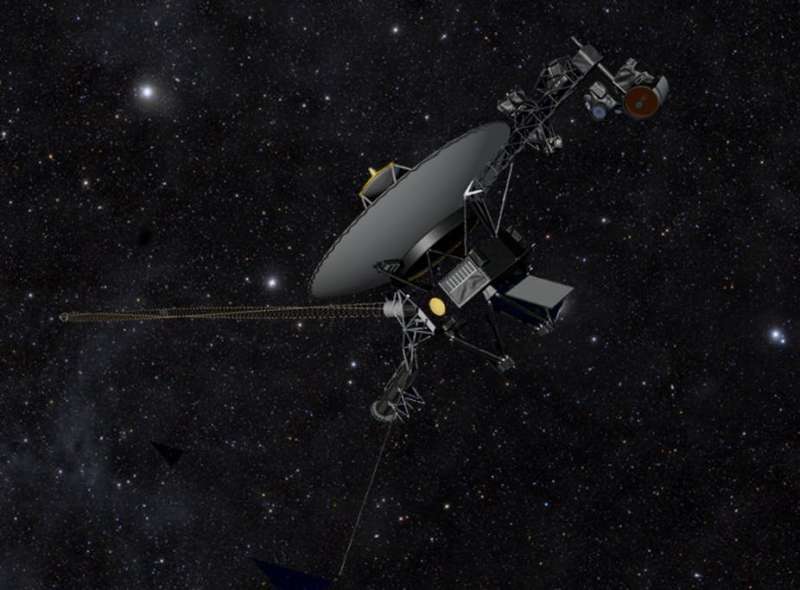
Voyager 1 is the farthest human-made object from Earth. After sweeping by Jupiter, Saturn, Uranus and Neptune, it is now almost 15 billion miles (24 billion kilometers) from Earth in interstellar space. Both Voyager 1 and its twin, Voyager 2, carry little pieces of humanity in the form of their Golden Records. These messages in a bottle include spoken greetings in 55 languages, sounds and images from nature, an album of recordings and images from numerous cultures, and a written message of welcome from Jimmy Carter, who was U.S. president when the spacecraft left Earth in 1977.
The Golden Records were built to last a billion years in the environment of space, but in a recent analysis of the paths and perils these explorers may face, astronomers calculated that they could exist for trillions of years without coming remotely close to any stars.
Solar Orbiter's pictures of the sun are every bit as dramatic as you were hoping
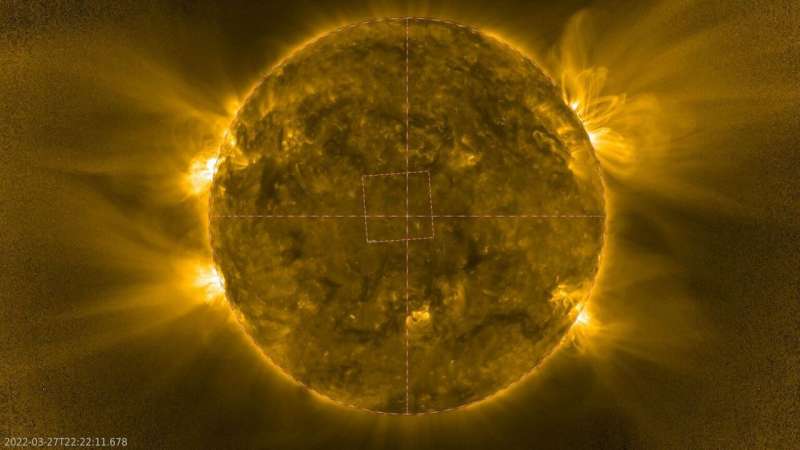
On March 26, the ESA's Solar Orbiter made its closest approach to the sun so far. It ventured inside Mercury's orbit and was about one-third the distance from Earth to the sun. It was hot but worth it.
The Solar Orbiter's primary mission is to understand the connection between the sun and its heliosphere, and new images from the close approach are helping build that understanding.
According to the ESA, the Solar Orbiter is the most complex scientific laboratory ever sent to the sun. It carries a robust suite of instruments, including a magnetometer, the Extreme Ultraviolet Imager, the Solar Wind Plasma Analyzer, and others. Its broad range of instruments allows it to observe solar events in multiple ways.
The spacecraft benefits from getting as close to the sun as it can. But close approaches make the Solar Orbiter hot. The spacecraft's first line of defense is its heat shield. It's a multi-layered titanium device mounted on a honeycomb aluminum support, with carbon fiber skins designed to shed heat. Between all that and the spacecraft's body, there are another 28 layers of insulation.
Space Force rolls out cybersecurity standards for commercial providers of satellite services

The Space Systems Command announced May 26 the official rollout of a new process to assess the cybersecurity of commercial satellite operators that do business with the Defense Department.
The post Space Force rolls out cybersecurity standards for commercial providers of satellite services appeared first on SpaceNews.
Economy could dampen growth of space industry

Broader economic issues as well as the performance of some space companies could slow the growth of the industry in the next few years, executives warn.
The post Economy could dampen growth of space industry appeared first on SpaceNews.
Additive manufacturing has progressed far beyond brackets

Spacecraft developers are additively manufacturing engine nozzles and other complex spacecraft components.
The post Additive manufacturing has progressed far beyond brackets appeared first on SpaceNews.
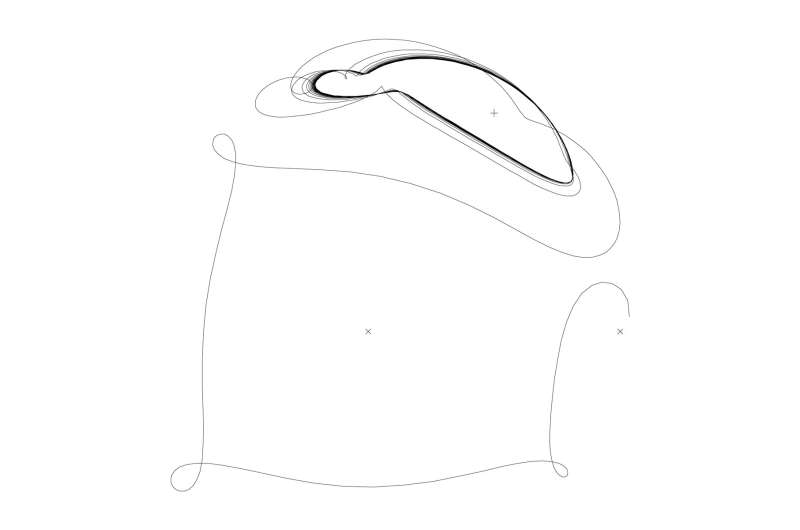
Why haven't we discovered co-orbital exoplanets? Tides may offer a possible answer
SpaceX replacing heat shield on upcoming Crew Dragon mission after failed test
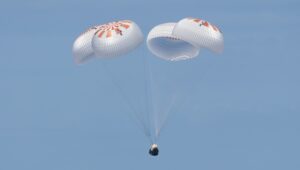
SpaceX will replace the heat shield on the next Crew Dragon spacecraft flying to the International Space Station after it failed inspections, but NASA says there is no risk of a similar problem for the spacecraft currently at the station.
General Dynamics wins ground systems contract for Space Development Agency’s megaconstellation
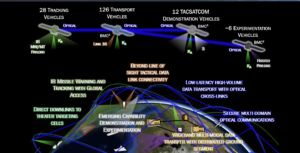
General Dynamics Mission Systems won a $324.5 million contract to operate the ground systems and manage network operations of the Space Development Agency’s low Earth orbit constellation.
The post General Dynamics wins ground systems contract for Space Development Agency’s megaconstellation appeared first on SpaceNews.
Set off on your next adventure with the Paxi collection

Set off on your next adventure with the Paxi collection
Paxi: the perfect friend for young explorers!