
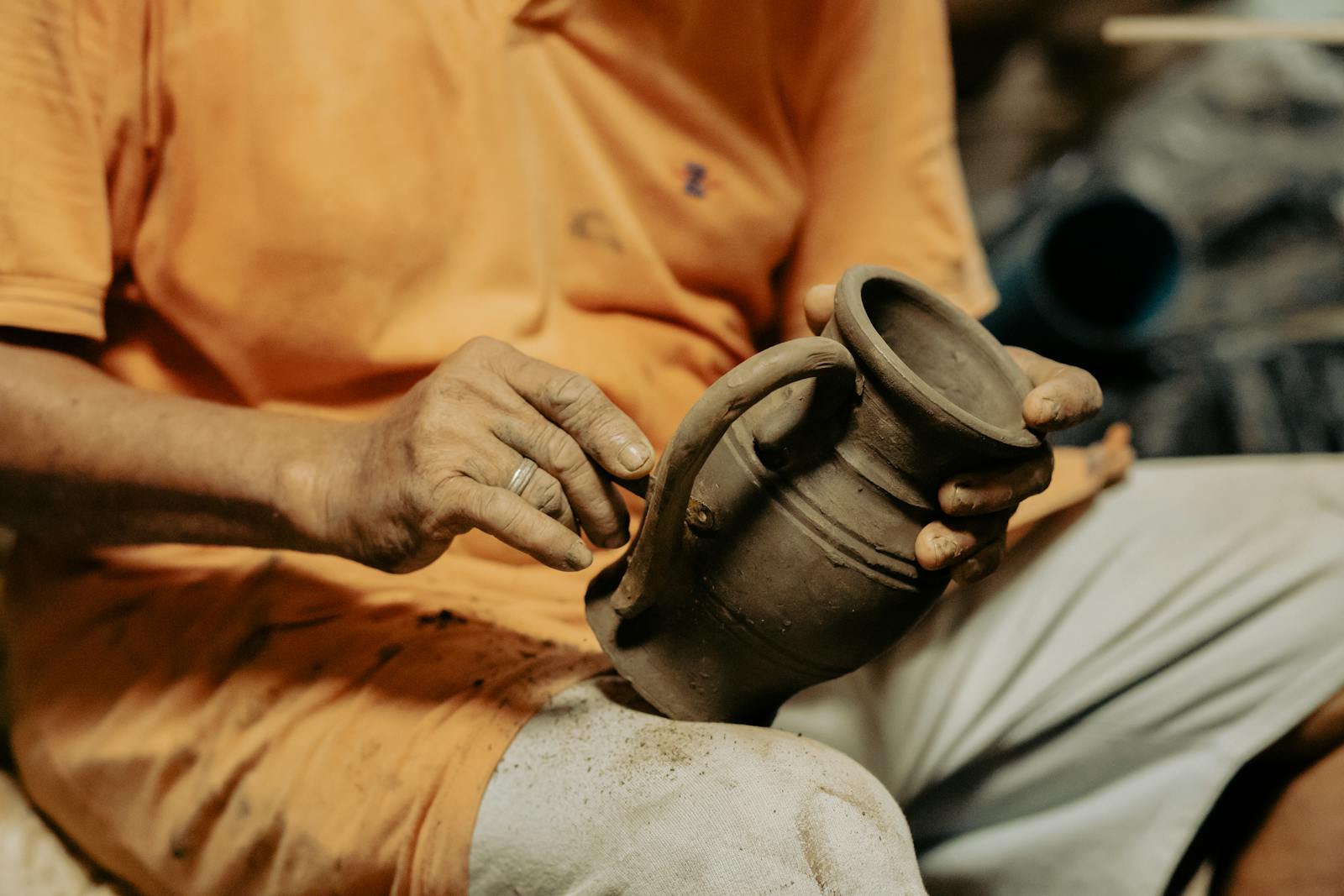
Resilience has been sold to us as a spring mechanism. You compress under load, then snap back to your original shape. The metaphor is tidy, which is probably why it survives despite being wrong in almost every way that matters.
Years of working with high-performance teams taught me that the people who come through the hardest assignments are rarely the ones who look unchanged afterwards. They look rearranged. Sometimes quieter. Often clearer about what they can and cannot do. Always, in some measurable way, different from who boarded the capsule.
The language of bouncing back does a peculiar disservice to both astronauts and everyone else. It implies that the goal of hardship is recovery of a previous self. But research on resilience increasingly suggests that this isn’t what actually happens in people who adapt well. What happens is integration, not restoration.
The myth of the warrior survivor
Popular culture loves the triumphant return. The astronaut who splashes down, salutes, does the press tour, and gets back in the simulator within weeks. The cancer survivor who is described as a fighter. The widow who is praised for being strong.
None of this matches what the research describes. Studies on trauma, loss, and chronic illness have consistently found that resilience is a dynamic process, not a personality trait. It is made from small daily adjustments, not from a fixed quantity of grit distributed at birth.
This is an uncomfortable finding for institutions that select for toughness. It is also, in my experience, an enormous relief for the people doing the actual surviving.
What I watched in the isolation chambers
In the analogue habitats I studied, we would occasionally see crew members emerge from long confinement looking, on paper, unchanged. Vitals normal. Cognitive tests in range. Self-report scales reassuringly middle-of-the-road.
Six months later, several of them were struggling. Sleep disrupted. Marriages fraying. A vague sense that the person who went in and the person who came out were not the same, and no one had given them permission to say so.
The ones who did better, by contrast, often looked worse during debrief. They cried. They said the hard things. They described what had frightened them. They stopped performing the role of the competent astronaut long enough to actually metabolise what had happened to them.
This pattern shows up in the clinical literature too. People who regulate emotions well under pressure are not the ones who suppress them. They are the ones who can feel distress clearly enough to respond to it.
Why suppression wears the mask of strength
Suppression is seductive because it looks like resilience from the outside. The stoic face. The unwavering voice during the technical briefing. The quick return to work.
But tamping feelings down has a cost. Research on building resilience suggests that chronic emotional suppression is associated with higher physiological stress load and worse long-term adjustment. The body keeps a ledger even when the mouth refuses to.
I learned this myself, slower than I’d like to admit. In my early fifties I fell into a depression that was, on paper, inexplicable. I had studied the mechanisms. I had interviewed people who had been through worse. I understood the neurobiology.
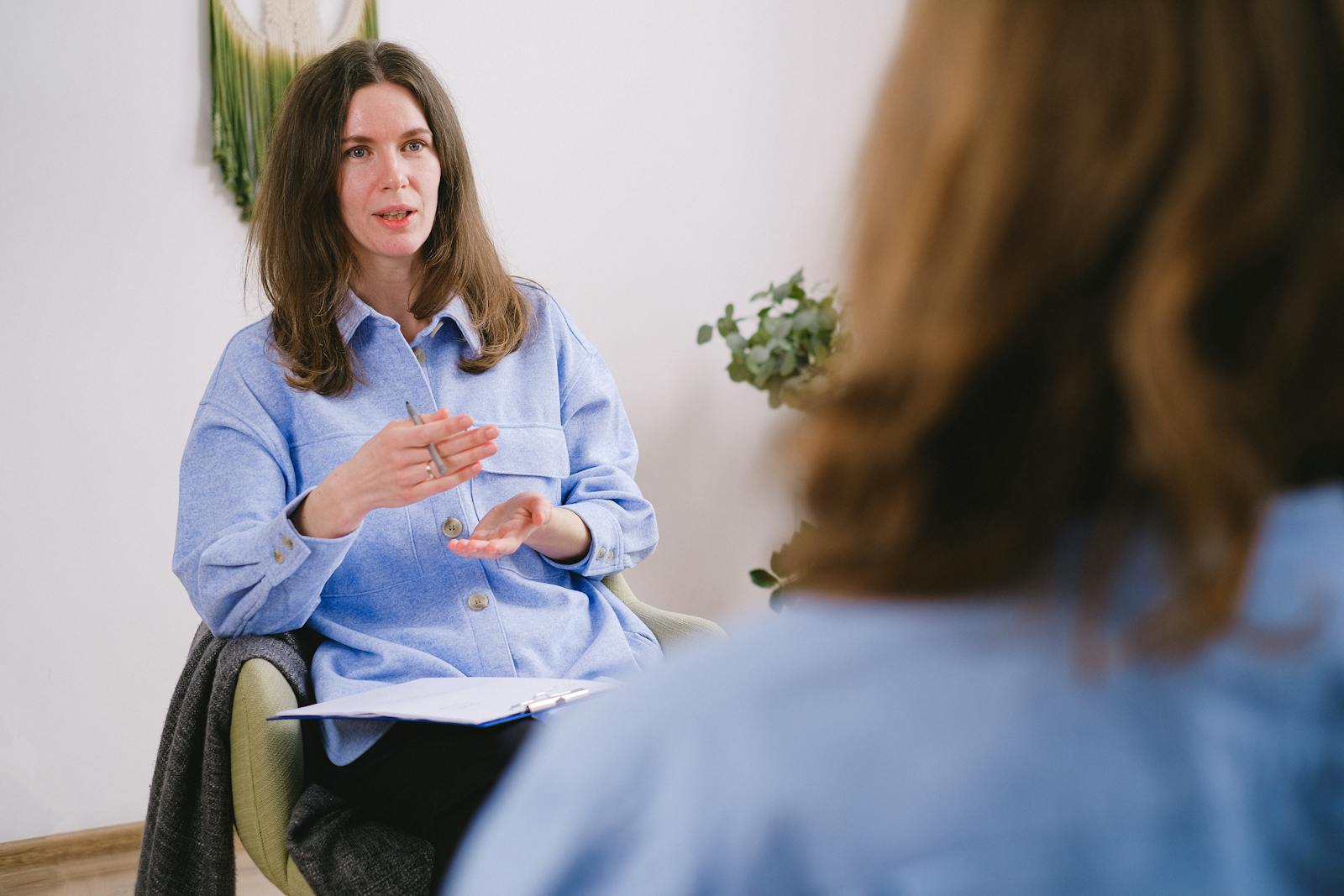
None of it protected me. Intellectual knowledge of depression is not a vaccine against it. What eventually helped was the unglamorous work of sitting with a therapist every week and not trying to be the competent researcher in the room.
Integration, not restoration
The model that matches both the research and my own observations is integration. You do not return to the person you were before the mastectomy, the divorce, the long mission, the breakdown. You rebuild a self that knows what broke it, and chooses to carry that knowledge forward.
This is what psychologists describe when they write that resilient people construct coherent life narratives that acknowledge loss alongside growth. The goal is not to spin suffering into silver linings. The goal is to situate what happened inside a larger story that still belongs to you.
In one of my studies, a returning crew member put it more plainly. He told me he had spent the first month home trying to be the man in the pre-flight photos. Then he realised that man didn’t exist anymore. The relief, he said, was enormous.
What breaks us is often information
One thing hardship reliably does is tell you the truth about yourself. Not the flattering truth. The operational one.
It tells you which relationships were built on your availability rather than your presence. It tells you which parts of your identity were professional performance. It tells you what you actually turn to when the lights go out and there is no one watching you be brave.
My divorce at 45 taught me things I had studiously avoided knowing for about a decade. I had treated my marriage the way I treated my career: with the assumption that effort deferred could always be recovered later. It couldn’t. The information was brutal, and it was also correct.
Astronauts often describe the same phenomenon after long missions. The person who went up carrying a set of assumptions about what mattered comes down with a different set. Not because space magically clarifies priorities, but because sustained confinement strips away the distractions that let you avoid knowing what you already knew.
The quiet rebuilding nobody photographs
The rebuilding phase is where most of the actual work happens, and it is the phase our culture has almost no vocabulary for. There is no ceremony for the Tuesday afternoon when you finally call the therapist. No press release for the month you spent doing only the minimum because the minimum was all you had.
Recovery from invisible overload is slow. It involves admitting you were not fine for longer than you let on.

The slow work looks like this. You notice you flinch at a certain kind of conversation and you stop pretending you don’t. You rebuild sleep. You tell one person the real version. You stop performing recovery for the people who need you to be recovered already.
Connection is load-bearing
One finding that replicates across the resilience literature is that social support predicts adaptation better than almost any individual trait. Isolation magnifies suffering. Connection doesn’t erase it, but it stops it from calcifying.
This matches what I saw in crew dynamics. The hardest conflicts in long-duration crews are rarely about oxygen or workload. They are about who gets to be seen, who gets to be quiet, who gets to be known.
The crews that came through well were the ones where someone, at some point, broke the performance. Said the thing. Admitted the fear. Gave everyone else permission to stop pretending.
Athletes describe something similar. Studies on athlete resilience emphasise that bouncing back from injury or defeat involves social support as much as individual psychological skill. The lone warrior model underperforms the supported one, consistently.
The self that knows what broke it
There is a particular quality to people who have rebuilt. You meet it in astronauts who have flown long missions, in clinicians who have treated grief for decades, in friends who have come through their own collapses.
They are not armoured. If anything, they are more porous than average. They hear hard things without flinching because they already know how hard things feel. They don’t need you to be fine for their own comfort.
They also know their own fracture lines. Not in a morbid way. In a practical one. They know which stressors will put them back in the dark place. They know what early warning signs to watch for. They have a short list of people they call before things get bad, not after.
This is not the glossy version of resilience. It is quieter. It involves giving up the myth of returning to a previous version of yourself, which is itself a kind of grief.
What I try to tell the astronauts I still consult with
When I work with crews now, usually in the quiet months before a long assignment, I try to undo some of the damage the word resilience has done.
I tell them that distress is not a failure of training. That emotional complexity, feeling grateful and angry in the same hour, is not a sign something has gone wrong. That the goal is not to come back the same person. The goal is to come back a person who can live with what happened.
I tell them the research on meaning-making. How reflection and narrative integration activate brain networks associated with emotional regulation. How the people who write about their experiences, or talk about them honestly with someone trained to listen, adapt better than the ones who compartmentalise.
And I tell them, because I wish someone had told me earlier, that knowing all of this will not exempt them from struggling with it. The map is not the territory. Insight is not immunity.
A final note on unglamorous work
The phrase that gives this piece its title is one I’ve been turning over for months. The slow, unglamorous work of rebuilding a self that knows what broke it.
Unglamorous is the key word. Nothing about the real process photographs well. There is no before-and-after shot for the afternoon you finally admit, out loud, that you have been pretending for two years. No montage for the slow accumulation of weeks where you did the boring things that eventually lifted the fog.
But this is where the actual work lives. Not in the heroic return. In the patient, repetitive, often lonely labour of becoming someone who can carry what happened without being consumed by it.
That, I think, is the only definition of resilience worth keeping. It doesn’t promise you’ll be unchanged. It promises something better. That you’ll still be here, and that who you become might be someone you eventually recognise as your own.
Photo by RAVI LAGES on Pexels